COLD-WEATHER NOTE / 04
Winter road travel is not a rally stage.
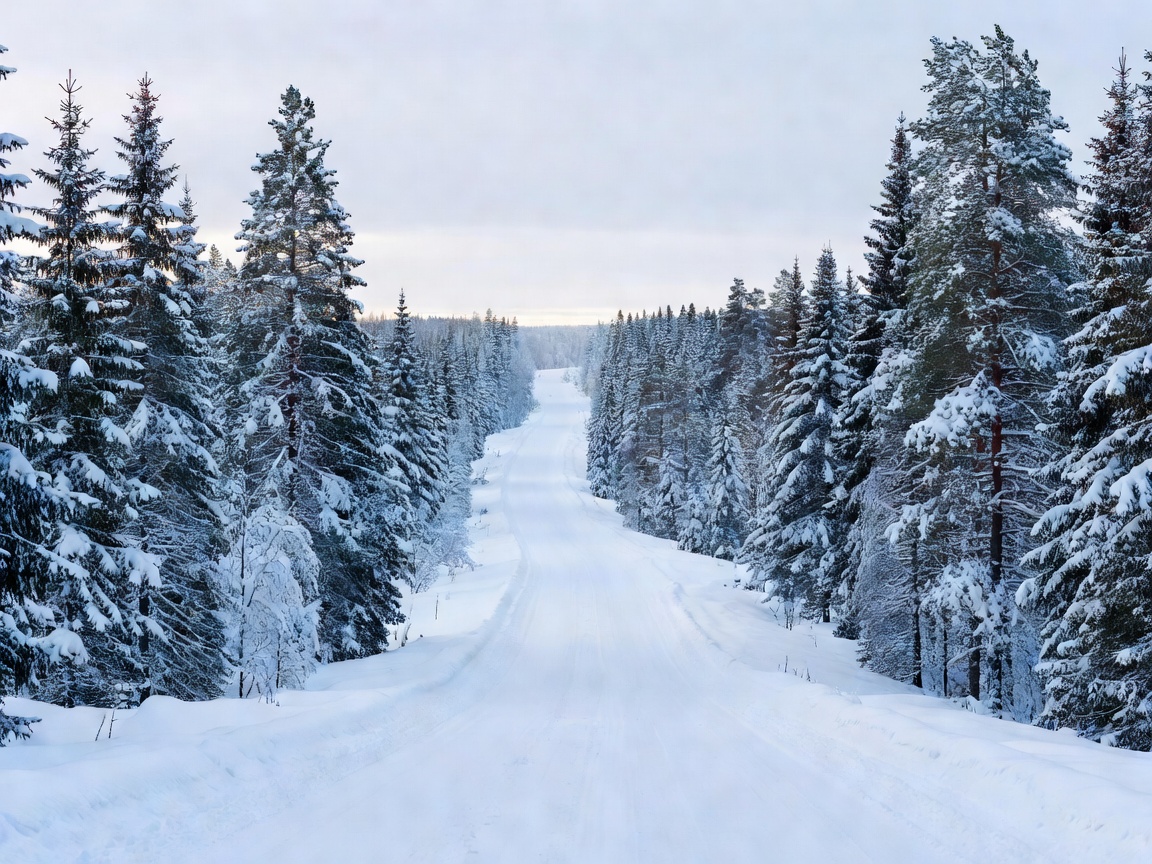
Scandinavian winter landscapes attract visitors interested in rally heritage and snow-country scenery. Ordinary winter travel has a different purpose and risk profile from a competitive stage. A rally event uses controlled roads, event procedures and specialized equipment. Public roads remain open to normal traffic only where access is permitted. Never enter a closed stage or imitate competition driving.
Snow, packed snow and ice
Snow depth and texture change with temperature, wind, traffic and maintenance. Packed snow can feel different from fresh snow. Ice may be hard to see, especially in shade, near water or around changing temperatures. Slush can hide road markings and collect in wheel paths. Conditions can vary between a town, forest and exposed stretch during the same journey.
Do not rely on a seasonal label or an old trip report as proof of current conditions. Check official road information and local forecasts before departure and during the trip. If the route appears beyond your vehicle, equipment or experience, use another road or delay travel. A scenic objective does not justify continuing into unsafe conditions.
Daylight and itinerary margin
Winter daylight can be short, particularly farther north. Twilight, snow glare and darkness affect visibility and fatigue. Set arrival targets with a generous margin. Avoid building a plan around a long sequence of unfamiliar roads late in the day. Identify places to pause, refuel or stay overnight before leaving a well-serviced area.
Latitude, season and weather influence daylight. Use a current local daylight source when setting the itinerary. Keep a flexible schedule and allow for slower progress, stops and route changes. Do not use a summer travel estimate for a winter journey.
Winter tires and vehicle readiness
Use tires suitable for the vehicle, season and local law. Requirements differ between jurisdictions and may depend on dates, conditions, vehicle category or road. Confirm current rules with official local sources. Check tread and tire condition, and follow the vehicle manufacturer’s guidance. Do not assume that a particular tire makes every road safe or legal.
Cold affects battery performance and can expose weaknesses in starting systems. Check battery condition, coolant and washer fluid suitability for expected temperatures, wipers, lights, heating and defrosting. Keep glass clear and ensure the fuel plan accounts for remote sections and unexpected delays. Follow the vehicle handbook and qualified service advice rather than improvising repairs in severe conditions.
Visibility and emergency preparation
Remove snow and ice from windows, mirrors, lamps and the vehicle roof before travel as required by law. Keep a charged phone and a suitable charging method. Consider warm clothing, water, basic first-aid supplies, a torch and items appropriate to the route and official guidance. Carry equipment only if you know how to use it safely. Tell someone your broad itinerary when traveling in remote areas, where appropriate.
Emergency numbers, roadside assistance coverage and mobile reception can vary. Check local emergency guidance and your service provider before a remote trip. Do not assume that connectivity or recovery help will be immediate.
Route access and alternatives
Winter may bring restrictions, temporary closures or difficult surfaces. A private track does not become public because snow covers a gate or sign. Check access status and follow barriers. Identify a primary route and a legal alternative, but do not use an alternative unless it is open and appropriate. If official notices conflict with a planned route, follow the notice.
Winter travel compared with event viewing
For rally spectators, event organizers provide specific information about access, parking, foot routes, viewing areas and safety. Follow those instructions in full. A public road near a stage is not automatically an approved viewing location. For a general road trip, use public roads open to traffic and keep clear of event operations. Event schedules and conditions may change; confirm directly with the organizer.
Good for
Travelers preparing a lawful cold-season road trip who need a checklist for daylight, tires, vehicle readiness, access and contingency planning.
What to know
This guide does not provide live road conditions, weather or closure information. Conditions and legal requirements change by location. Verify them using current official sources before and during travel.
Practical checklist
- Check official road notices, weather and daylight information.
- Confirm local winter-tire and equipment requirements.
- Check battery, fluids, tires, wipers, lights and defrosting.
- Plan warm clothing, communications, fuel and safe stops.
- Keep a legal alternate route and cancel when conditions warrant.