SURFACE NOTE / 03
Read the road as it is, not as it looks on a map.
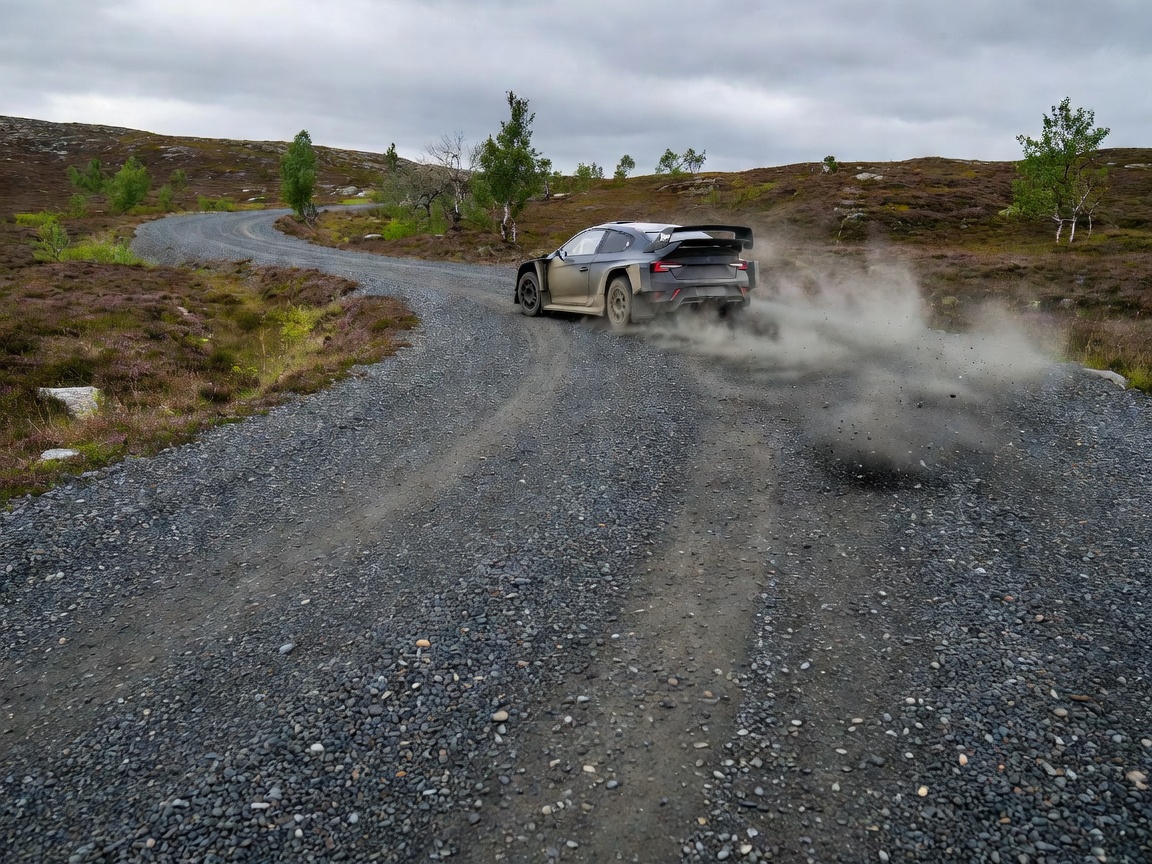
Gravel roads vary by material, maintenance, drainage, traffic and weather. A compact surface can turn loose after grading. Rain may create soft edges or standing water. Dry traffic can raise dust. Conditions can change over a short distance, so a route description is never a substitute for observation, legal speed and current local information.
Material, grip and surface change
Gravel is a mixture of stone and finer particles. Stone size and compaction affect how the tire meets the surface. Loose aggregate can shift under ordinary braking or cornering. Fine material may reduce visibility when disturbed. Ruts and washboard texture can affect comfort and vehicle control. Do not treat a familiar paved-road response as guaranteed on gravel.
Public-road travel calls for smooth, lawful, predictable driving. Increase following space when visibility or traction is reduced. Adjust speed to posted limits, conditions and sight distance. Avoid abrupt inputs and do not use rally techniques. If conditions exceed your comfort or vehicle capability, stop only where permitted and safe, then choose another route.
Width, passing and visibility
Some rural roads have a single usable track, soft shoulders, blind bends or limited passing places. Never assume a verge can support the vehicle. Use a designated passing place where available, and follow local signs and right-of-way rules. Do not stop in a blind area, block a gate or force another driver onto a weak shoulder.
Dust can hide oncoming traffic, cyclists, walkers, livestock or junctions. Leave enough space to avoid driving into a dust cloud. If visibility is poor, slow appropriately and wait in a safe, permitted location until it improves. Keep windscreen glass, lights and mirrors clean. Carrying a clean cloth and suitable washer fluid supports visibility, but does not replace safe travel decisions.
Drainage and seasonal effects
Road drainage determines where water and loose material collect. A crown—the raised center profile that helps shed water—may be present, but its condition varies. Puddles can conceal potholes or soft ground. Freezing temperatures can harden ruts; thaw can weaken road edges. Snow may cover surface markers and drainage channels. Recheck conditions in the season you intend to travel.
Vehicle checks before departure
Tires and wheels
Check tire condition, pressure against the vehicle guidance and visible wheel damage. Confirm the spare or repair equipment is suitable.
Visibility
Clean glass, mirrors, lamps and number plates. Check wipers and washer fluid before remote sections.
Vehicle condition
Follow the manufacturer’s maintenance guidance. Pay attention to warning lights, unusual noises and loose exterior fittings.
Travel margin
Carry appropriate supplies, keep fuel planning realistic and identify a legal alternative route.
Public road versus competition stage
A public gravel road remains a road used by other people and may have local speed limits, access controls and vulnerable road users. A rally special stage is closed and managed for competition under event rules. Those environments are not interchangeable. Competition driving requires an authorized venue, trained participants, safety controls and event procedures. This guide does not teach rally driving.
Advantages and trade-offs
Gravel routes can connect rural communities and offer varied landscapes. They may avoid main-road traffic or provide a closer look at forest regions. The trade-offs are slower progress, surface uncertainty, dust, reduced passing opportunities and fewer services. A route that is scenic may not suit every vehicle, weather window or driver.
Route-selection criteria
Choose roads with confirmed public status, suitable width and a surface your vehicle can reasonably handle. Consider weather, daylight, visibility, service availability and the needs of passengers. Avoid routes dependent on an unverified shortcut through private land. Look for a paved alternative where conditions or access are uncertain.
Good for
Drivers seeking lawful rural travel who want to understand gravel’s practical differences before choosing a public route.
What to know
Road surface and access can change. No live condition report is provided. Posted limits and local laws apply; reduce travel ambition when visibility, traction or vehicle condition is poor.
Practical checklist
- Confirm that the road is open to your vehicle and public traffic.
- Check tires, glass, lights, wipers and vehicle warnings.
- Allow space for dust, loose material and limited passing places.
- Plan fuel, daylight, safe stops and an alternate route.
- Keep competition techniques off public roads.